
Author Guide
A complete guide to publishing your first law-review article
From choosing a research question to navigating double-blind peer review: a step-by-step walkthrough for first-time authors.
VidhiAagaz is a Crossref member organisation and ISO 9001:2015-certified academic publisher, founded in 2017. We publish IJLMH, IJLSI and ISBN-registered books, fund the infrastructure of journals that universities own, train student correspondents, and run the Centre for Legal Research and Studies (CLRS) and its journal.




IJLMH is indexed in HeinOnline, Manupatra and Google Scholar, among 30+ databases; IJLSI is indexed in Google Scholar and Manupatra. VidhiAagaz is a Crossref member (DOI prefix 10.63108).
A bi-monthly, open-access, double-blind peer-reviewed journal in law, management and the humanities. The first privately run Indian law journal indexed in HeinOnline.
A bi-monthly, open-access, double-blind peer-reviewed journal on law and legal innovation, at the meeting point of law, science, technology and emerging practice.
The journal of the Centre for Legal Research and Studies: a biannual, peer-reviewed journal of international law, covering human rights, international criminal law and global economic governance. Diamond open access, so it is free to read and free to publish in.
IJLMH was the first privately run Indian law journal indexed in HeinOnline.
IJLMH is held in libraries worldwide, including Harvard, Stanford, Oxford and Northwestern.
IJLMH is rated 4.8 by 510+ readers on Google.
Published across our journals and books since 2017, from 56 countries.
25+ ISBN-registered titles, including the Scholar’s Paradise series and edited collections published with universities and research centres.
ISBN 978-81-947620-7-2
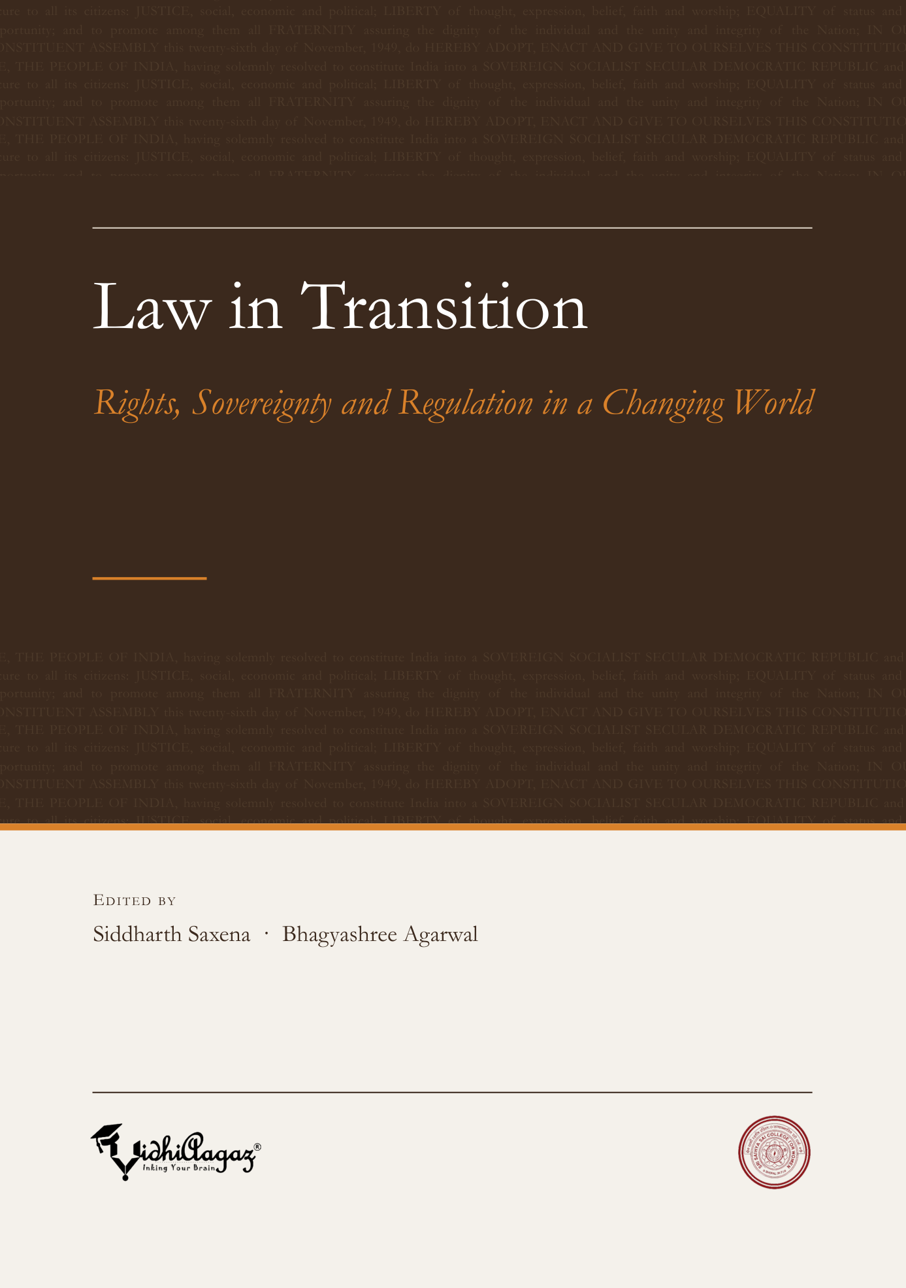
ISBN 978-81-181981-1-6
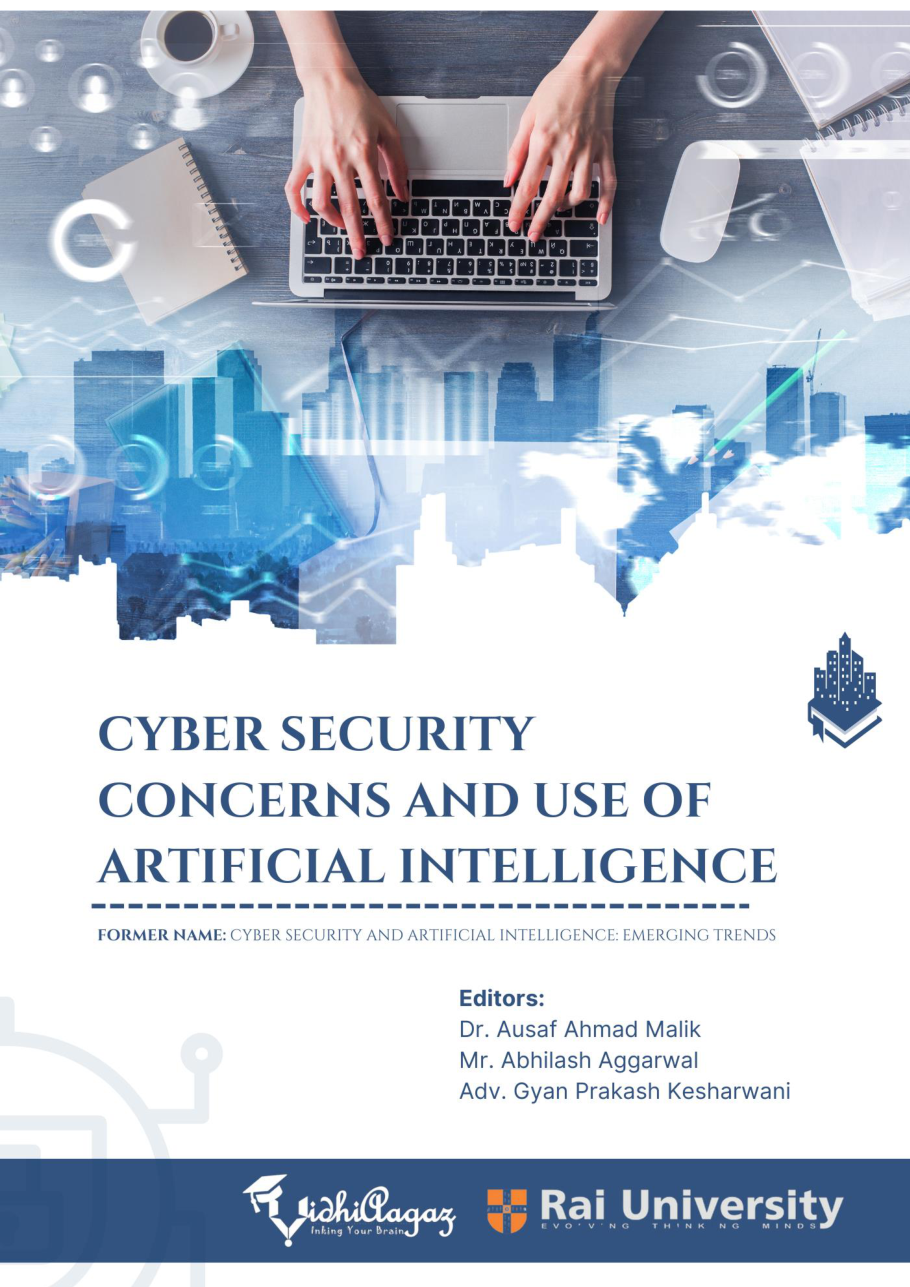
ISBN 978-81-947620-5-8
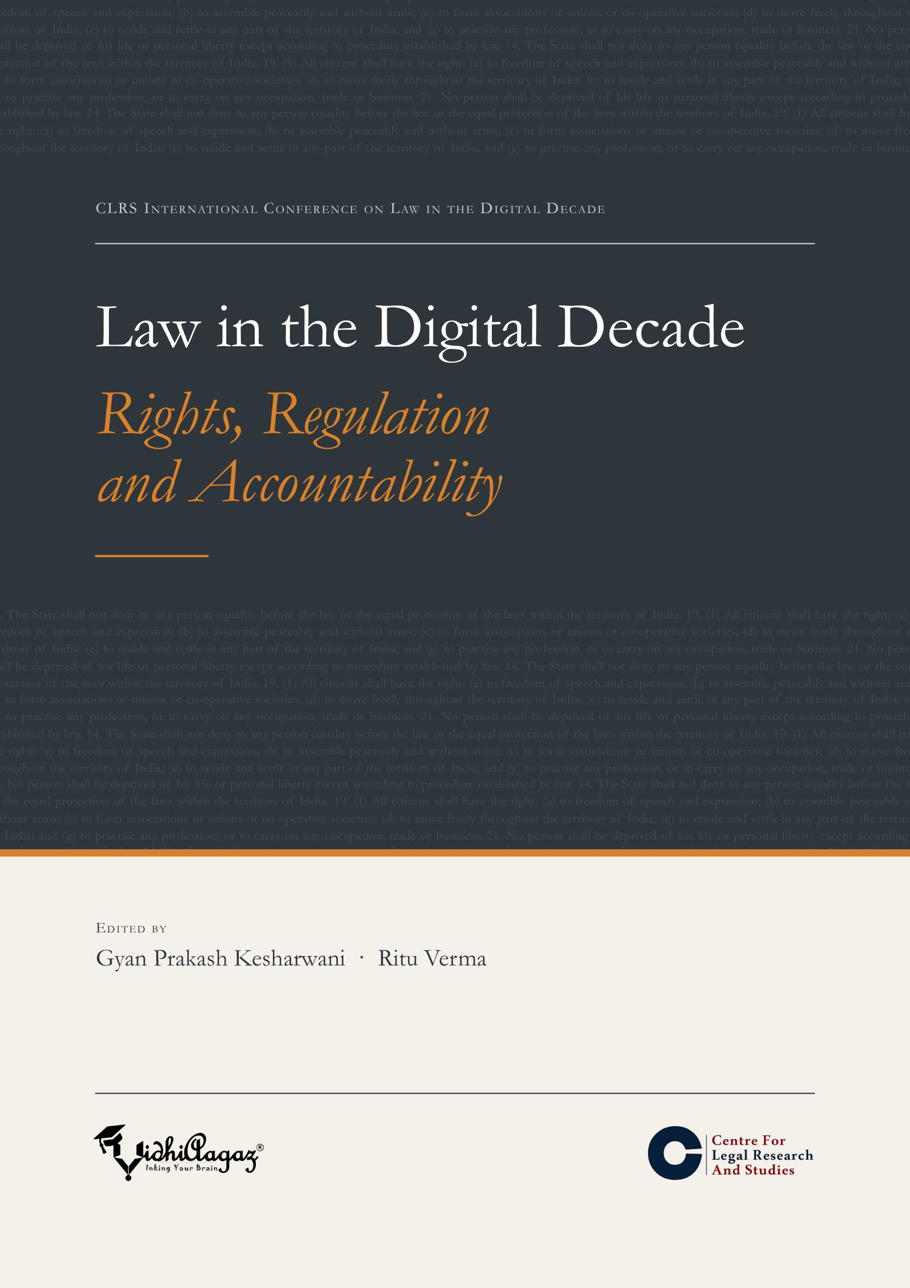
ISBN 978-81-947620-6-5
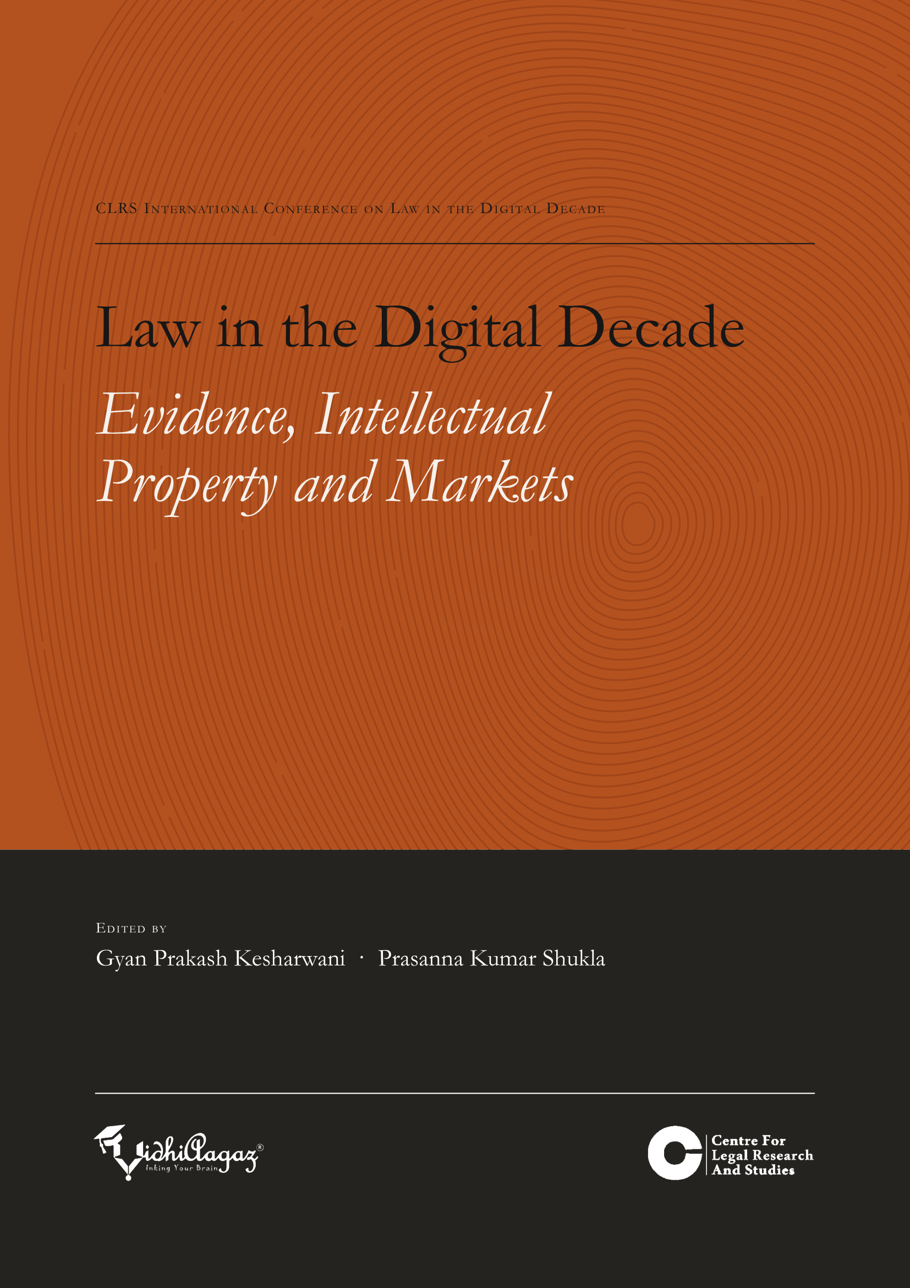
ISBN 978-81-181981-0-9
VidhiAagaz funds two programmes: the Journal Infrastructure Grant, which gives journals owned by universities and law schools the publishing infrastructure that international indexing expects, and the Student Correspondents Fellowship, which trains one student at each institution in academic publishing. Alongside them, the Centre for Legal Research and Studies convenes the Global Scholars Consortium.
Publishing infrastructure worth ₹2,00,000 a year for each journal, for two years, renewable to five: a website in the institution’s name, the Journal Portal for peer review, Crossref DOIs, JATS and Google Scholar metadata, and preservation. Up to five grants under the current call; applications close on 15 January 2027.
About the GrantOne student at each institution, appointed for twelve months, inducted at CLRS Academy and certified in academic publishing practice. Fellows report on campus scholarship and write under their own byline. The Fellowship is honorary, and Fellows do not seek papers for our journals.
About the FellowshipFaculty members, one for each country, who decide with us which questions our conferences ask and which institutions organise them. Membership carries no fee, and publication is always optional.
About the Consortium





 Sri Sathya Sai Law College for Women, Bhopal
 Rajiv Gandhi National University of Law, Punjab

Original research articles, case comments and notes for IJLMH or IJLSI, reviewed double-blind and published open access with a free DOI and an e-certificate.
Submission guidelinesChapters for Scholar’s Paradise and themed collections, and conference volumes with universities, each peer-reviewed and ISBN-registered.
Book publishingA standalone, peer-reviewed manuscript with a free, citable DOI, an e-certificate and permanent open-access hosting.
How it worksCLRS is the academic initiative of VidhiAagaz. It convenes national and international conferences whose selected papers are published in ISBN-registered volumes, runs certificate courses and faculty development programmes in research writing and publishing, and brings together the Global Scholars Consortium, one convener for each country.
From choosing a research question to navigating double-blind peer review: a step-by-step walkthrough for first-time authors.
What a Digital Object Identifier is, why every serious paper should have one, and how it keeps your scholarship discoverable for decades.
Authorship, originality, plagiarism and conflicts of interest: the principles that underpin credible scholarship, explained for new authors.